Dechalkid: A Playful Chalk Font That Elevates Small Business Branding
Refreshing a Café Menu with Dechalkid’s Handwritten Charm
I recently helped a local café redesign their menu to reflect the cozy, welcoming vibe they’ve built over the years. The owner wanted to move away from generic fonts and create a more personal connection with customers. That’s when I discovered Dechalkid—a playful chalk font that instantly brought warmth and authenticity to their design.
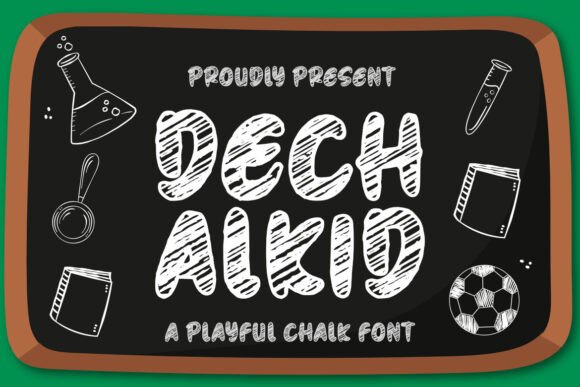
Dechalkid has a hand-drawn, chalky texture that feels spontaneous and approachable. It’s not overly polished, which gives it a genuine, artisanal appeal. This font works beautifully when you want to convey creativity, friendliness, or a bit of whimsy. Whether it’s for a café menu, bakery packaging, or a boutique tag, Dechalkid adds personality without sacrificing professionalism.
Why Typography Matters for Brand Perception
Typography is often overlooked by small business owners, but it plays a huge role in how your brand is perceived. The right font can make your materials feel cohesive, trustworthy, and memorable. Dechalkid helps small businesses achieve that polished look while still feeling handmade and heartfelt.
When we applied Dechalkid to the café’s menu headers and daily specials, it created a sense of familiarity. Customers responded positively—some even commented on how the new design felt more “human.” That’s the power of thoughtful typography. It doesn’t just communicate information; it communicates emotion.
Perfect Use Cases for Dechalkid in Branding Materials
Dechalkid shines brightest when used for short-form text. It’s ideal for:
- Logo design with a personal touch
- Product labels for artisanal goods
- Packaging titles and accents
- Café menus and daily boards
- Thank-you cards and handwritten notes
- Instagram stories and social media graphics
For example, a candle maker I worked with used Dechalkid on their new jar labels to highlight the name of each scent. It gave the brand a boutique feel and made the product stand out on shelves and in photos. Similarly, a local bakery used the font on their cupcake boxes and saw more engagement on their Instagram posts because the design felt more tactile and inviting.
Readability and Design Tips for Real-World Use
While Dechalkid is a display font with character, it’s important to use it thoughtfully. Because of its chalky texture and script style, it’s best for headlines, short phrases, and decorative accents rather than long paragraphs.
Here are a few tips I’ve found helpful when using Dechalkid:
- Use it at a larger size for printed packaging and signage to ensure clarity.
- Avoid using it on busy backgrounds where the texture might get lost.
- Pair it with a clean sans serif font like Montserrat or Lato for supporting text to maintain readability.
- Test it on mobile screens to make sure it still looks sharp in digital formats like Instagram posts or online banners.
When we used Dechalkid for a boutique’s clothing tags, we made sure to pair it with a simple sans serif for size and color information. The contrast between the two fonts gave the tags a balanced, stylish look without overwhelming the eye.
Font Pairing Ideas for a Cohesive Brand Identity
One of the keys to successful branding is smart font pairing. Dechalkid pairs beautifully with:
- Clean sans serif fonts like Open Sans or Roboto for a modern contrast.
- Elegant serif fonts like Playfair Display for a vintage-inspired look.
- Other script fonts for layered, handwritten designs—just be sure to vary weights and sizes.
For a skincare brand I worked with, we used Dechalkid for the product name on their packaging and paired it with a minimalist serif for ingredient lists. The result was a look that felt both organic and refined—perfect for a brand that wanted to feel natural but high-quality.
What to Check Before Using Dechalkid Commercially
Before you use Dechalkid for your business, always check the font’s licensing terms. Most premium fonts like this one come with commercial use rights, but it’s important to confirm whether it can be used for merchandise, packaging, digital templates, or client work.
Also, make sure you have access to all necessary file formats—OTF, TTF, WOFF—and that the font includes alternates, ligatures, and multilingual support if needed. These features can help you customize the look and ensure the font works across platforms and applications.